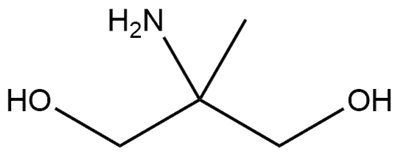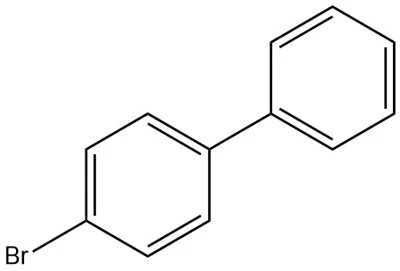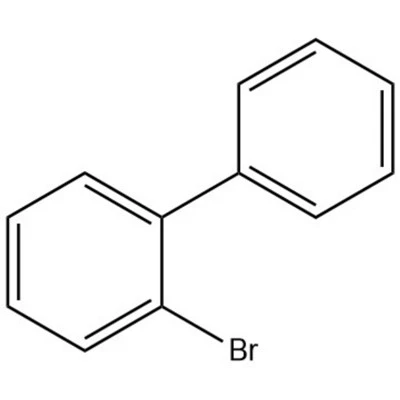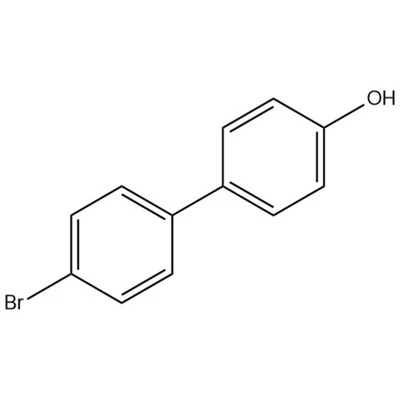

The synthesis of PAI typically employs a two-step process: first, polyamic acid (PAA) is prepared through a condensation reaction; then, water molecules are removed through high-temperature imidization or chemical imidization to form a cyclic imide structure. This process endows PAI with the following core properties:
High Temperature Resistance: PAI's glass transition temperature (Tg) can reach 280-305℃, with a long-term service temperature range of -60℃ to 260℃. It can withstand short-term temperatures above 300℃, far exceeding that of ordinary engineering plastics (such as PA66, whose Tg is approximately 70℃).
Mechanical Properties: Tensile strength reaches 120-180MPa, flexural modulus exceeds 3GPa, and it retains more than 80% of its strength at high temperatures, making it suitable for high-load structural components.
Chemical Stability: Resistant to corrosion from acids, alkalis, salts, and organic solvents, especially exhibiting excellent resistance to aromatic hydrocarbons and chlorinated hydrocarbons, making it suitable for chemical equipment applications. Electrical insulation: Volume resistivity > 10¹⁶ Ω·cm, dielectric loss tangent < 0.01 (1MHz), making it an ideal material for high-frequency electronic components.
Abrasion resistance: Low coefficient of friction (0.1-0.2), excellent self-lubricating properties, making it a suitable replacement for metals in bearings, gears, and other friction components.